
XoMotion Beta 2 Study Highlights Usability and Safety Lessons for Self-Balancing Exoskeletons
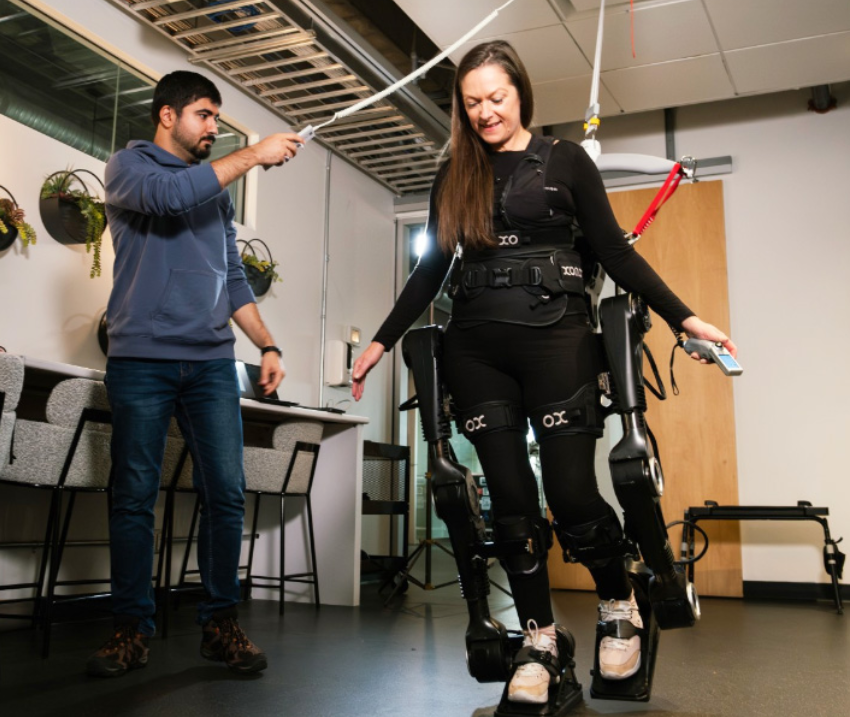
A peer-reviewed pilot of the XoMotion Beta 2 self-balancing exoskeleton found generally positive user usability but also documented operator challenges, minor adverse events and one serious fracture event. The study offers a detailed look at the safety and workflow questions that matter before wider clinical deployment.
China Makes Exoskeleton Robots and BCI-Driven Systems a National Rehabilitation Technology Priority
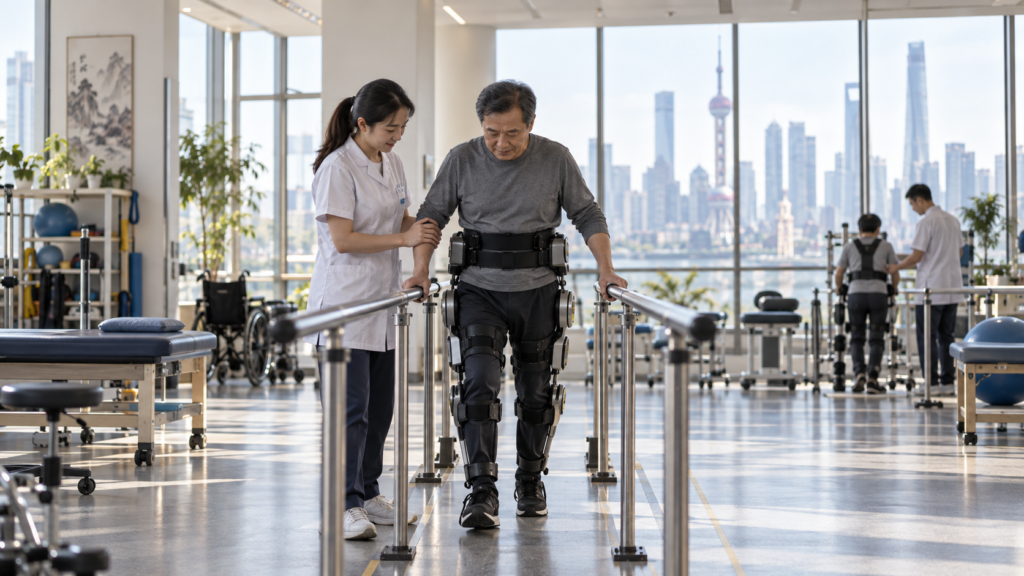
China’s new national medical-industry plan explicitly names exoskeleton robots, BCI-driven exoskeletons and AI gait analysis among rehabilitation technologies targeted for development through 2030.
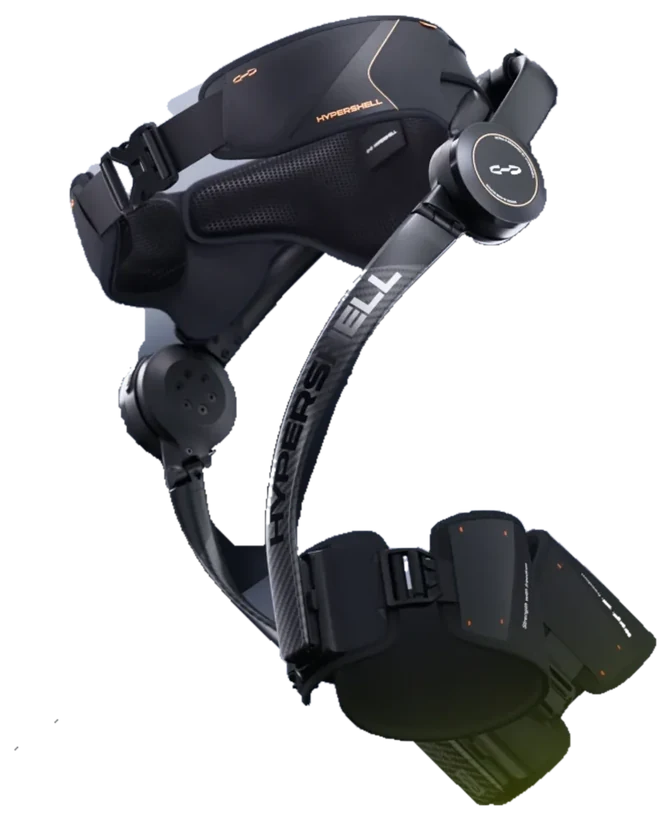
Consumer Exoskeleton Comparison 2026: Architecture, Price, Evidence and What the Specs Actually Mean
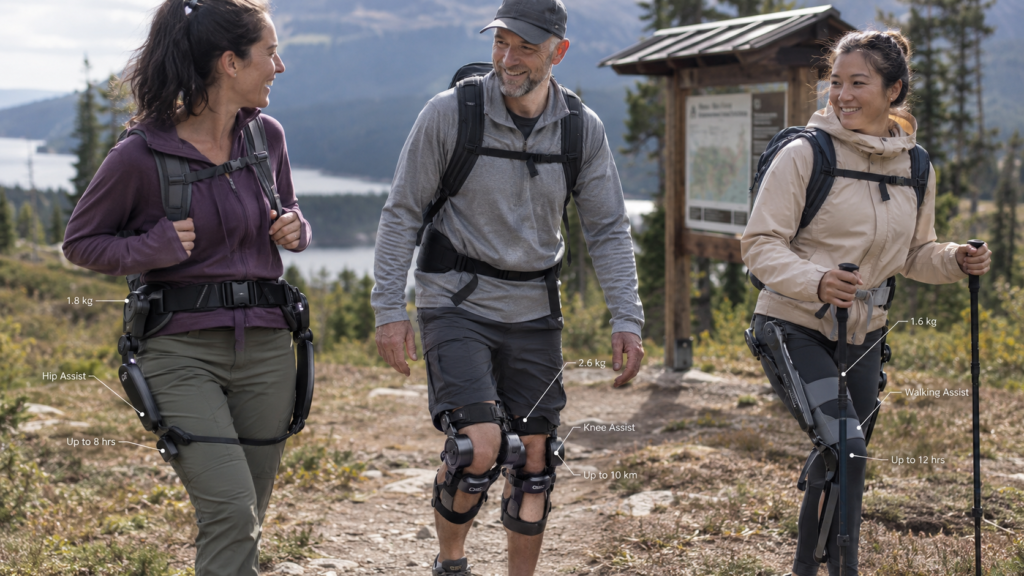
Consumer exoskeletons may look directly comparable, but their specifications often are not. This 2026 Exoskeleton Index analysis explains how to compare architecture, weight, endurance, pricing, commercial maturity and evidence across today’s leading consumer systems—and why the measurement basis matters as much as the number itself.
Rehab Robotics Push Deepens in Singapore and Northern Malaysia
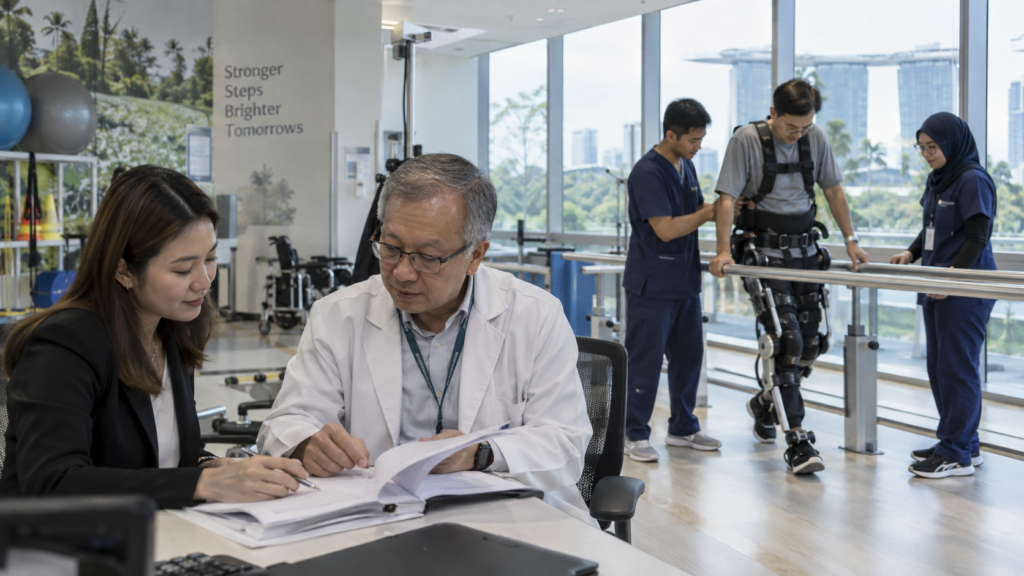
St Luke’s Hospital Singapore has signed a rehabilitation-technology MOU with Robotimize, while the company separately introduced RoboCT UGO, KidGo and GoGo exoskeletons across care settings in Northern Malaysia.
Carbonhand Reaches 100 U.S. Veterans as VA Adoption Expands Across 40+ Medical Centers
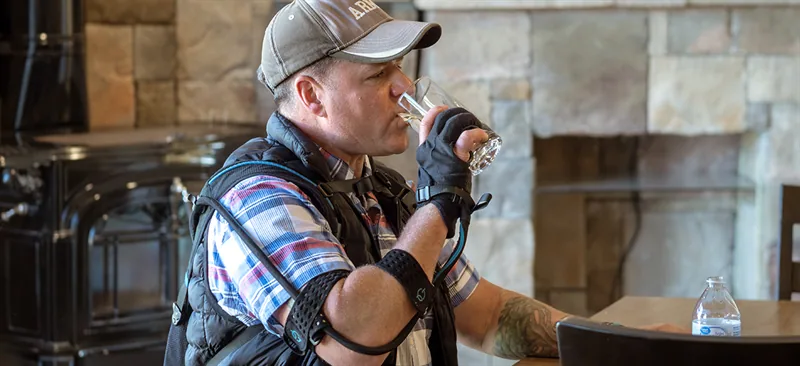
Bioservo says Carbonhand has reached 100 U.S. veterans through the Department of Veterans Affairs, with clinicians prescribing the grip-assistance glove across more than 40 VA Medical Centers.
China’s 2 cm “Invisible” Exoskeleton Reports $22.4M in Intent Orders After Beijing Launch
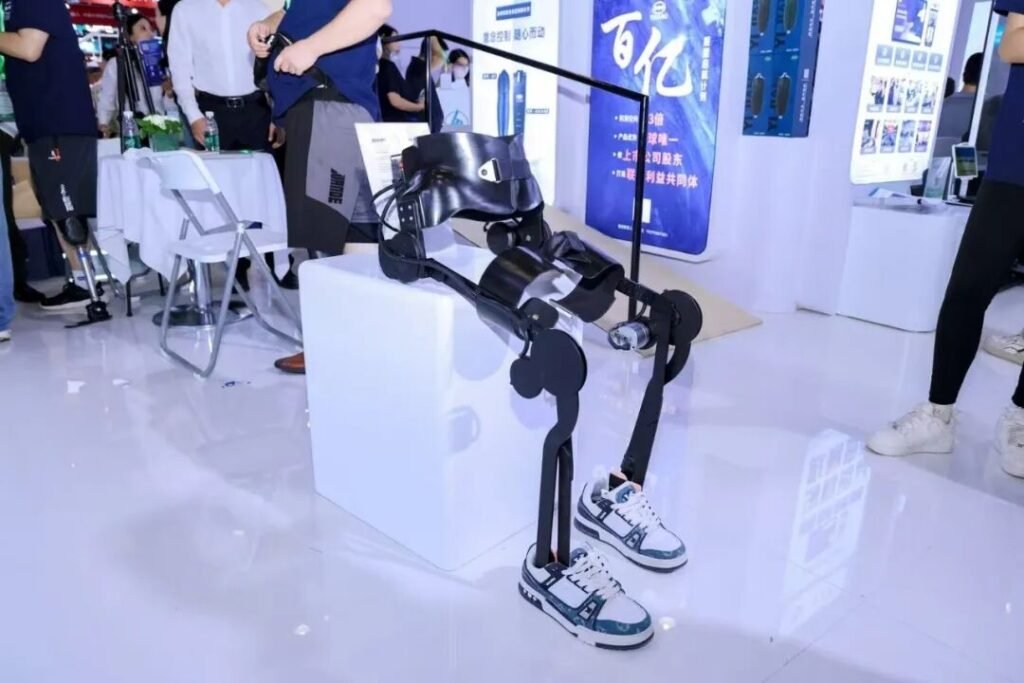
A 2 cm thick walking assistance exoskeleton from China has generated a company reported CNY 150 million, about US$22.4 million, in intent orders following its Beijing launch. The figure is not booked revenue, but it adds another commercial signal to China’s rapidly developing assistive exoskeleton market.
China’s National Consumer Plan Pushes Exoskeleton Robots Into Elderly Homes
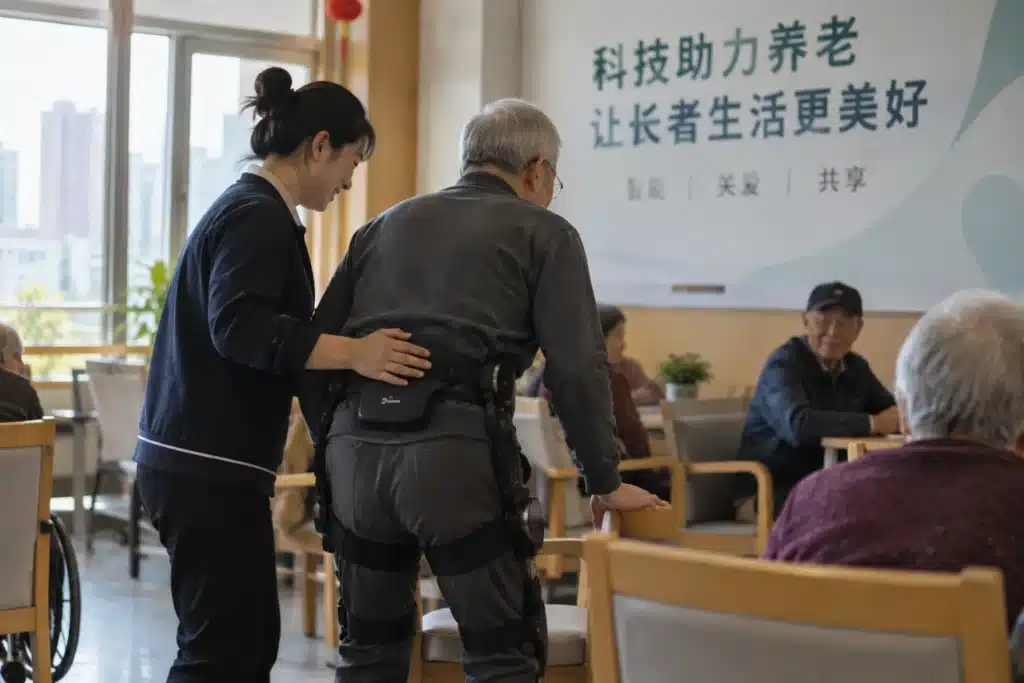
China’s new national consumer plan explicitly calls for exoskeleton robots to enter elderly households and wider retail and care channels, adding a national policy layer to the country’s growing consumer exoskeleton market.
Jiangsu Retains 15% Consumer Exoskeleton Subsidy in Updated 2026 Policy
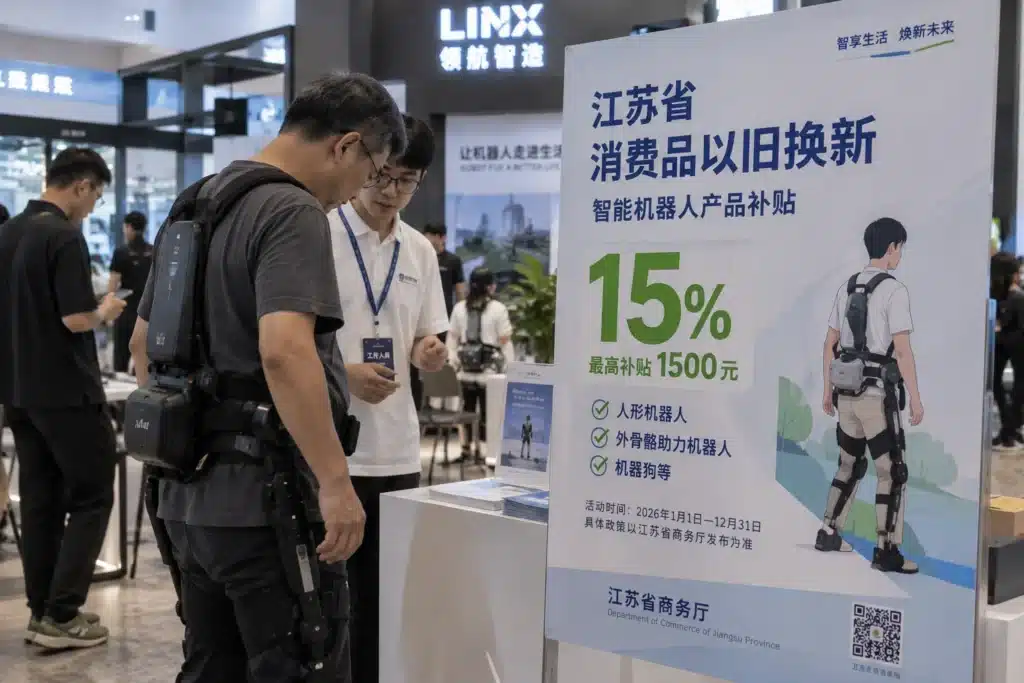
Jiangsu’s August consumer-policy update keeps exoskeleton-assist robots eligible for a 15% subsidy capped at RMB 1,500. A review of the province’s earlier notice shows the category has been supported since April, making the latest update a continuation rather than a first-time addition.
Saudi Arabia’s Exoskeleton Market Is Taking Shape: Procurement, Distribution and Localization in 2026
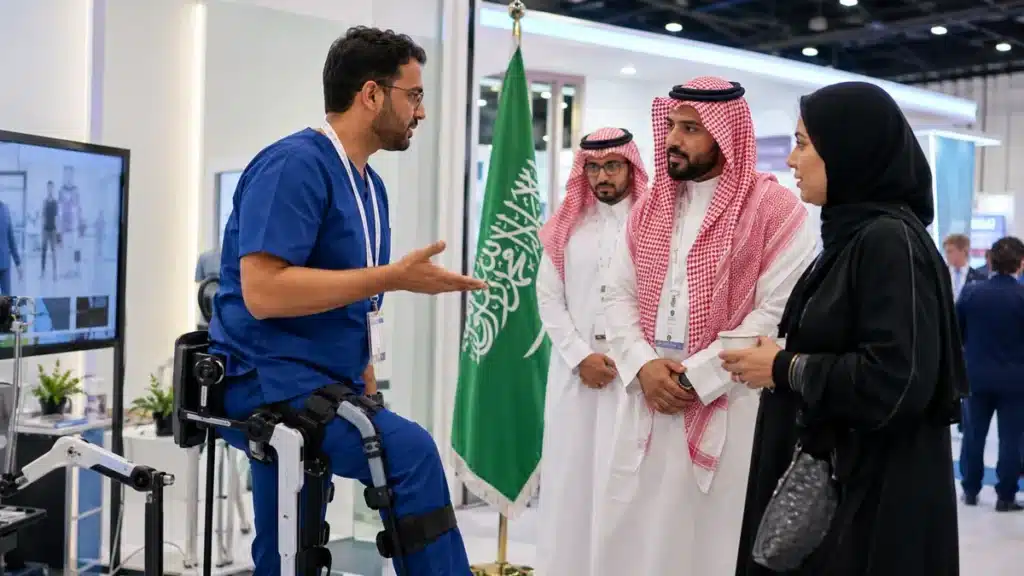
Saudi Arabia is moving beyond isolated exoskeleton projects. A 2026 NUPCO framework now names robotic exoskeletons, ABLE has entered through a Saudi distributor, and PIF is exploring local production and servicing — but fresh hospital research shows adoption is still uneven.
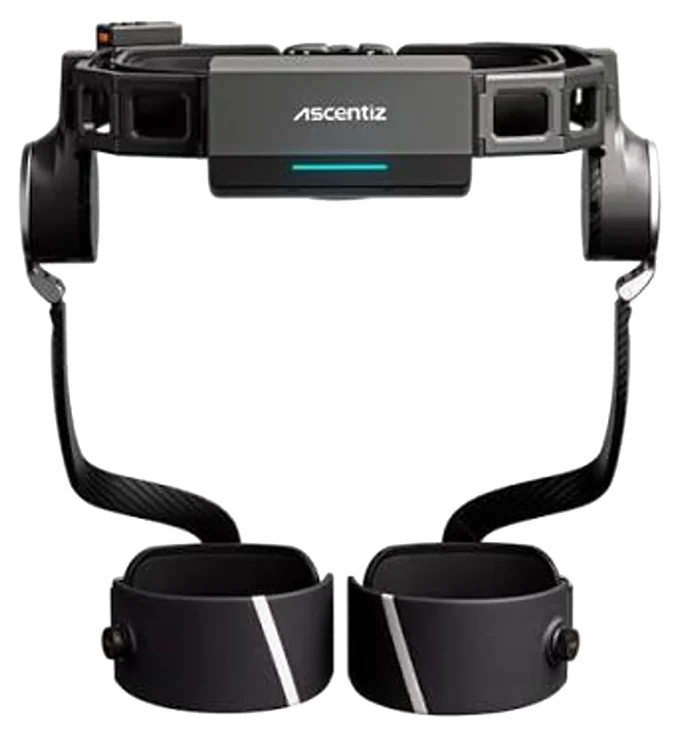
Ascentiz Brings H + K Modular Exoskeleton Platform to IFA With €3,999 Ultra Combo

Ascentiz has published European pricing for its K knee modules and H+K combinations ahead of IFA 2026, while BodyOS pushes the system toward an open, expandable wearable-robotics platform.