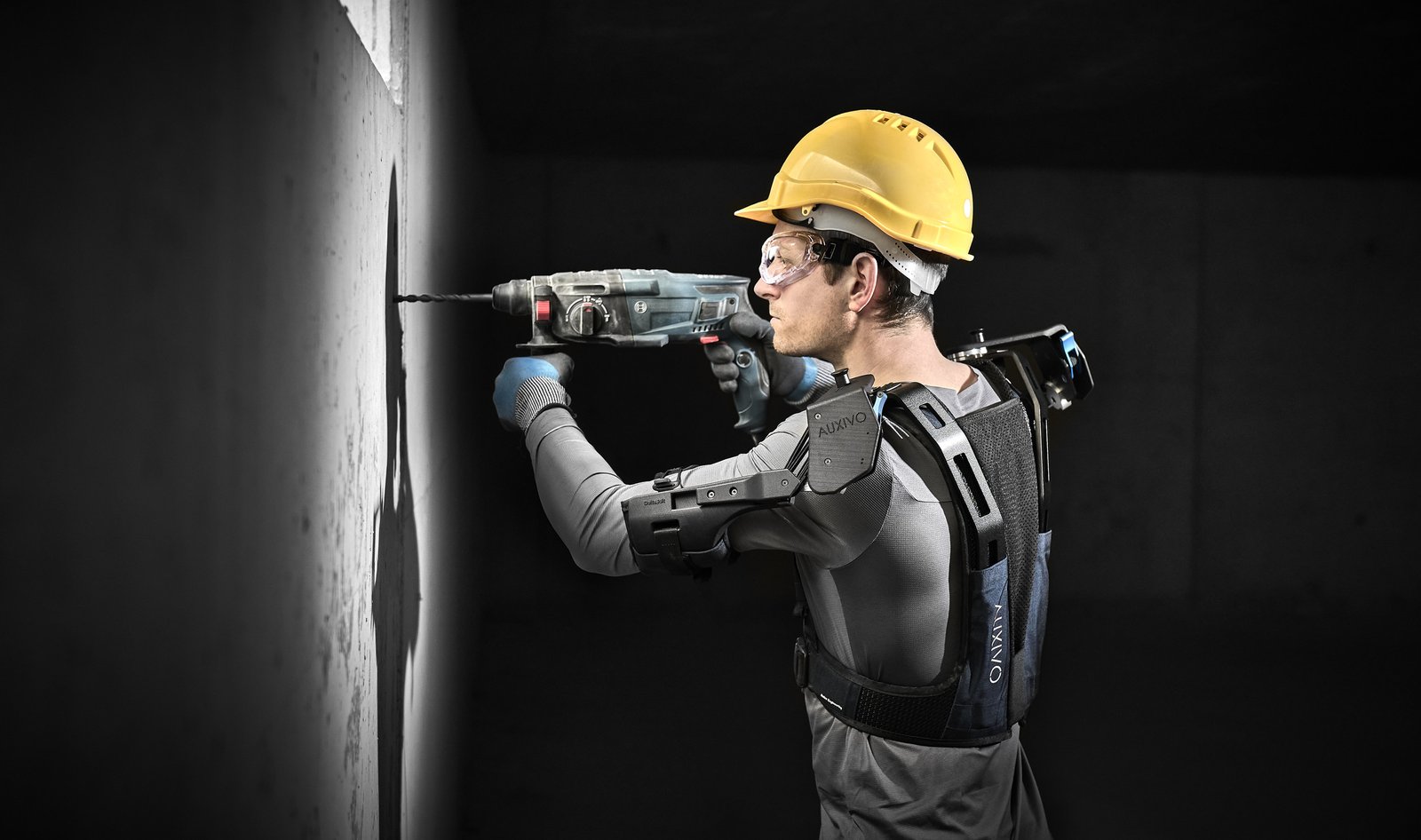
Overhead drilling & installationSustained arm elevation and tool weight
Typical support: shoulder and arm. Test: reach, ladder and scaffold movement, helmet and harness compatibility.


Construction exoskeletons for overhead work, drilling, tool handling, lifting and sustained postures across jobsites, infrastructure projects and field operations.
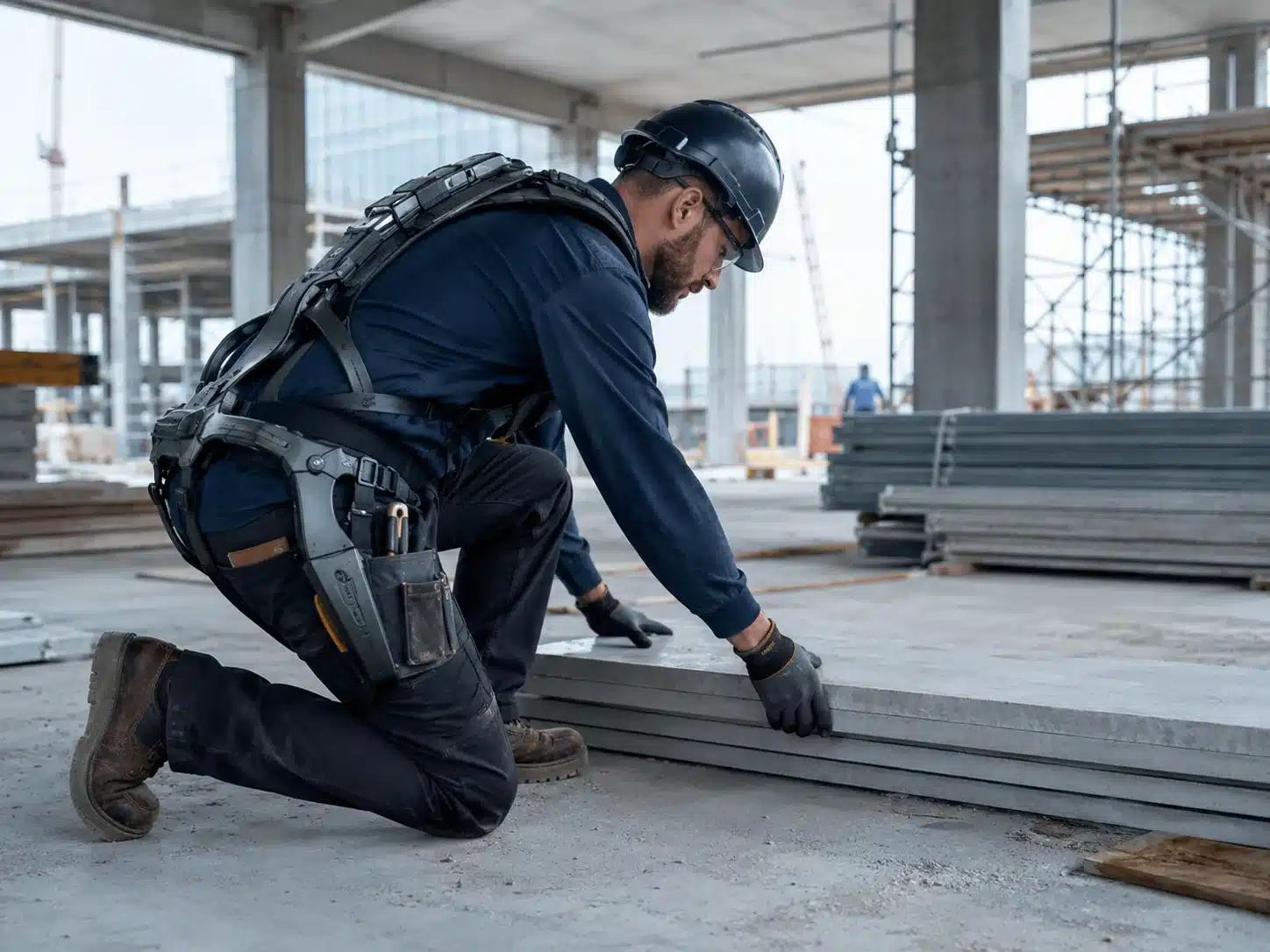
Construction and field operations introduce variable terrain, weather, dust, PPE and rapidly changing tasks. Products need to provide useful assistance without limiting mobility or creating additional hazards on site.
Construction is not one exposure profile. The useful starting point is the movement that needs support, then the constraints of the jobsite, tools and PPE.
Typical support: shoulder and arm. Test: reach, ladder and scaffold movement, helmet and harness compatibility.
Typical support: back and hip. Test: kneeling, walking, transitions between heights and unrestricted escape routes.
Typical support: back, hip or task-specific powered assistance. Test: variable loads, pace, carrying distance and interaction with vehicles or materials.
Typical support: shoulder, arm or task-specific systems. Test: precision, confined access, tool changes and full-range movement.
One construction field study reported these results with a passive lower-back exoskeleton. Treat them as task-specific evidence, not proof of injury reduction.
A curated cross-section covering overhead work, back support, lifting and tool handling. Use the construction filter below to explore the full set.
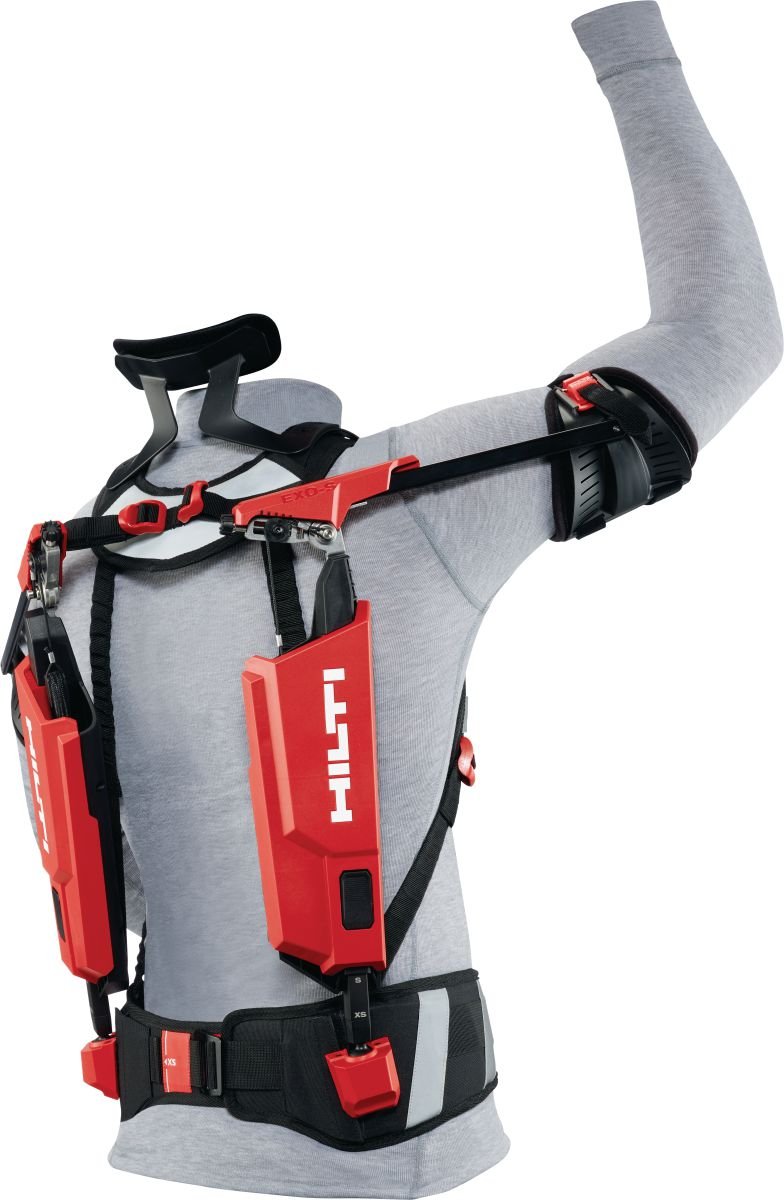
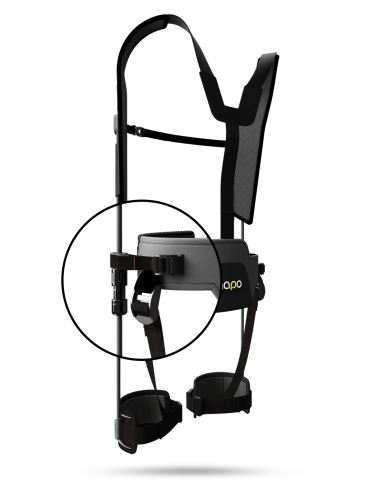
 Ergosanté
Lifting Assistance
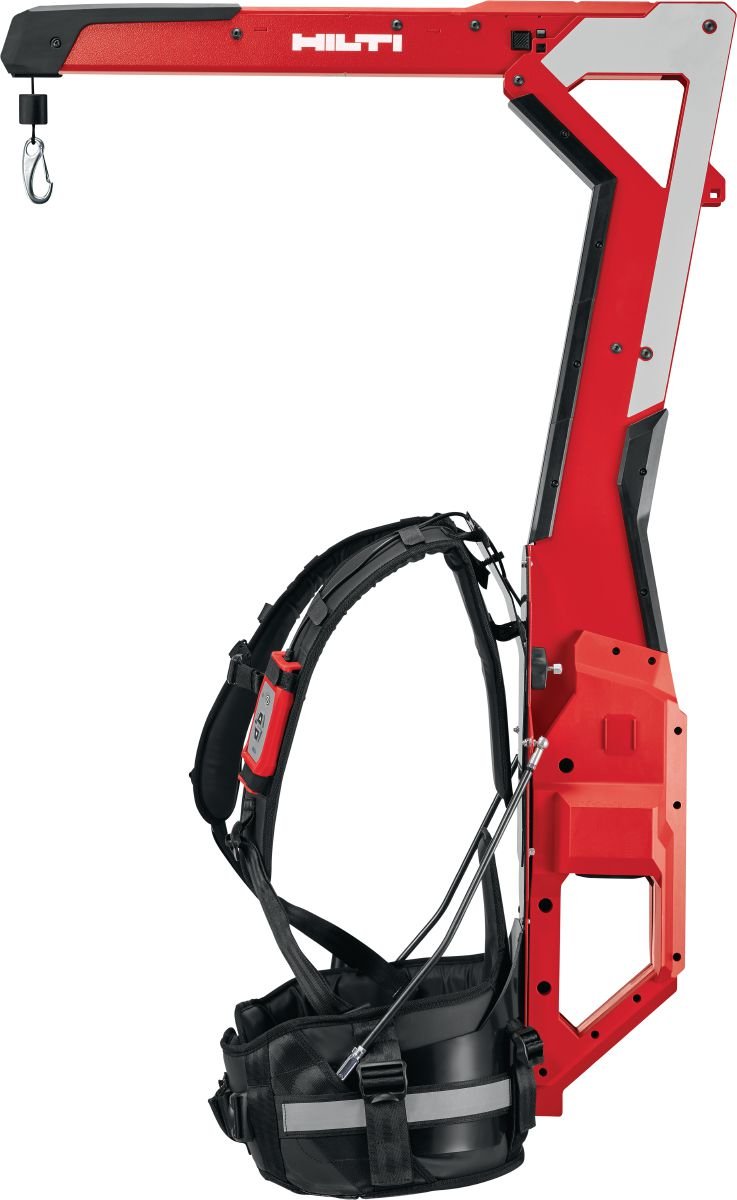

 Auxivo
Lifting Assistance

 Levitate Technologies
Overhead Work
Supplier coverage is based on the manufacturers connected to published product records.

Liechtenstein

Japan
United States
France

Netherlands

Germany
Industry context helps narrow the market. The final choice still depends on the task, user and deployment conditions.
Compatibility with helmets, harnesses and other required PPE
Performance across dust, moisture, heat and uneven terrain
Safe movement on ladders, scaffolds and confined sites
Durability, cleaning and field maintenance requirements
Task specific testing before broader deployment
Original articles are shown when relevant content is available.
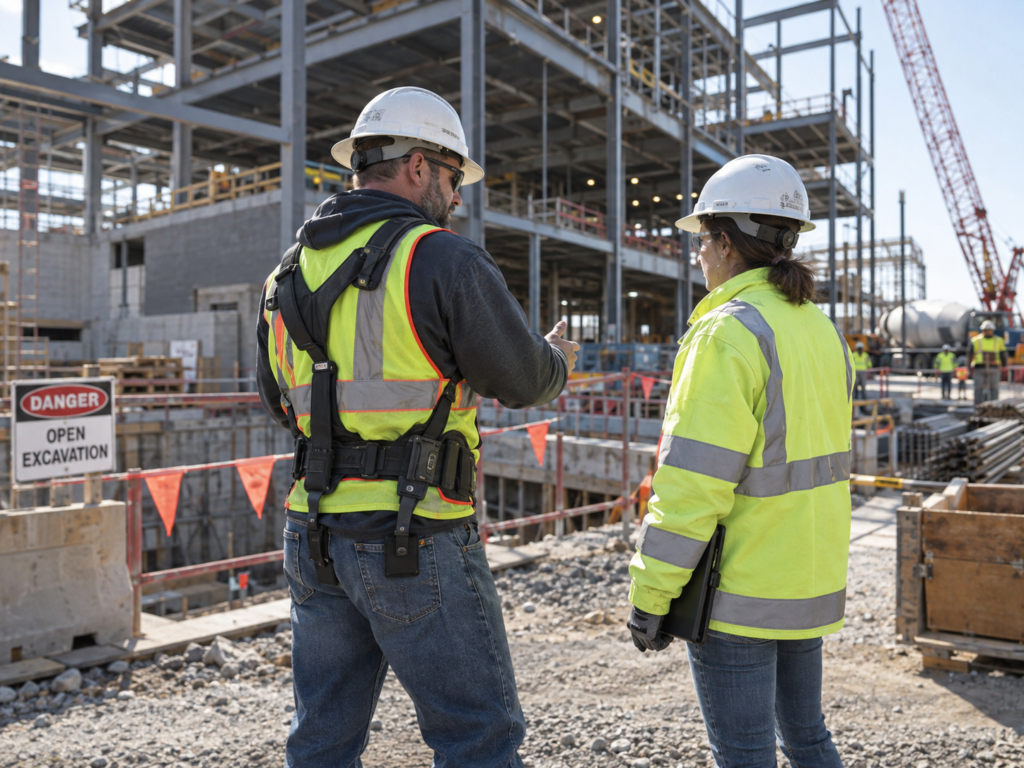
A construction field study found lower fatigue and improved hazard recognition while workers used a passive lower back exoskeleton, expanding the workplace exoskeleton discussion beyond biomechanics.
Read insightShare the task, environment and body area. We can help identify relevant products and suppliers from the database.