
A structured directory and market intelligence platform for wearable robotics products, suppliers, body-area categories, deployment domains, commercial readiness and market signals.
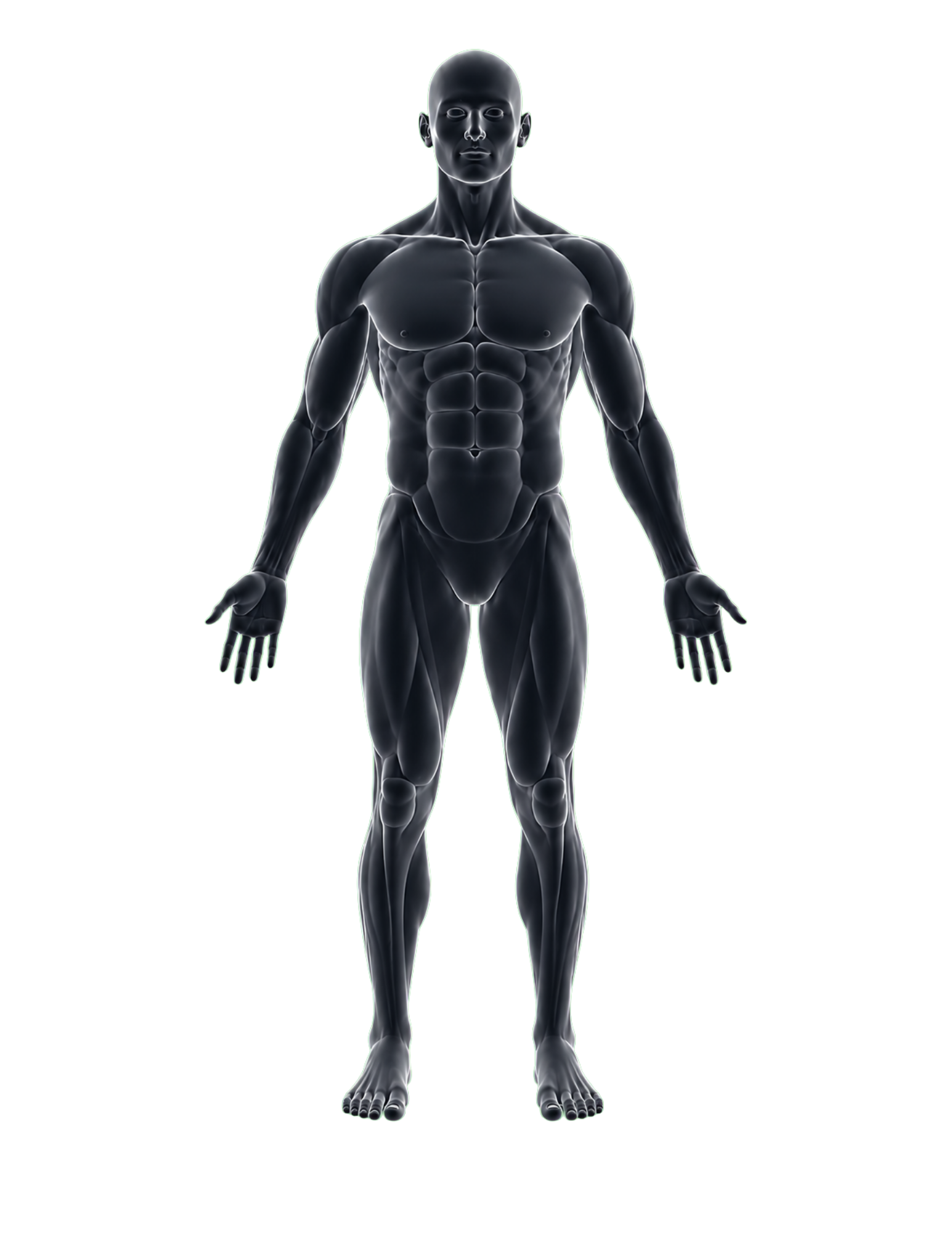
Open a filtered list of products for a specific body region.
Hover to preview. Click or tap a body area to view matching products. Keyboard: use the arrow keys, then press Enter.
The database organizes published product and company records into a consistent, searchable taxonomy for practical market discovery.
Select up to three products and review their intended use, body area, technology, pricing visibility, technical details and evidence context.
The comparison tool organises public product information into a consistent format without inventing missing specifications or declaring a universal winner.
Choose at least two products to generate a structured comparison.
Answer a few scoping questions to filter broad categories into an initial category recommendation.
See how exoskeletons are used across manufacturing, logistics, healthcare, construction, defense, research and other working environments.
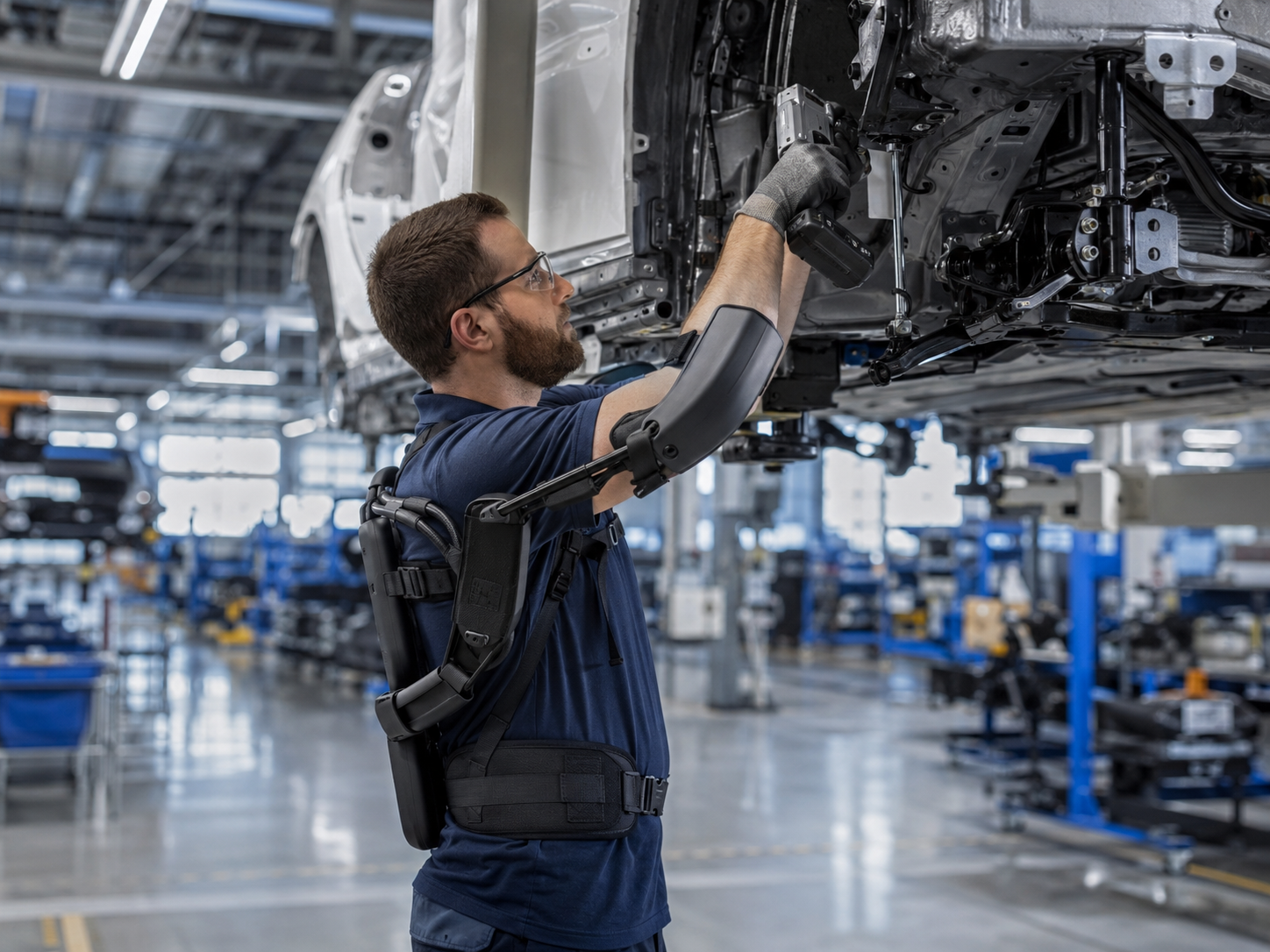
Products intended to assist shoulder, back and upper-limb tasks during repetitive assembly, automotive painting and overhead work.
Explore this industry →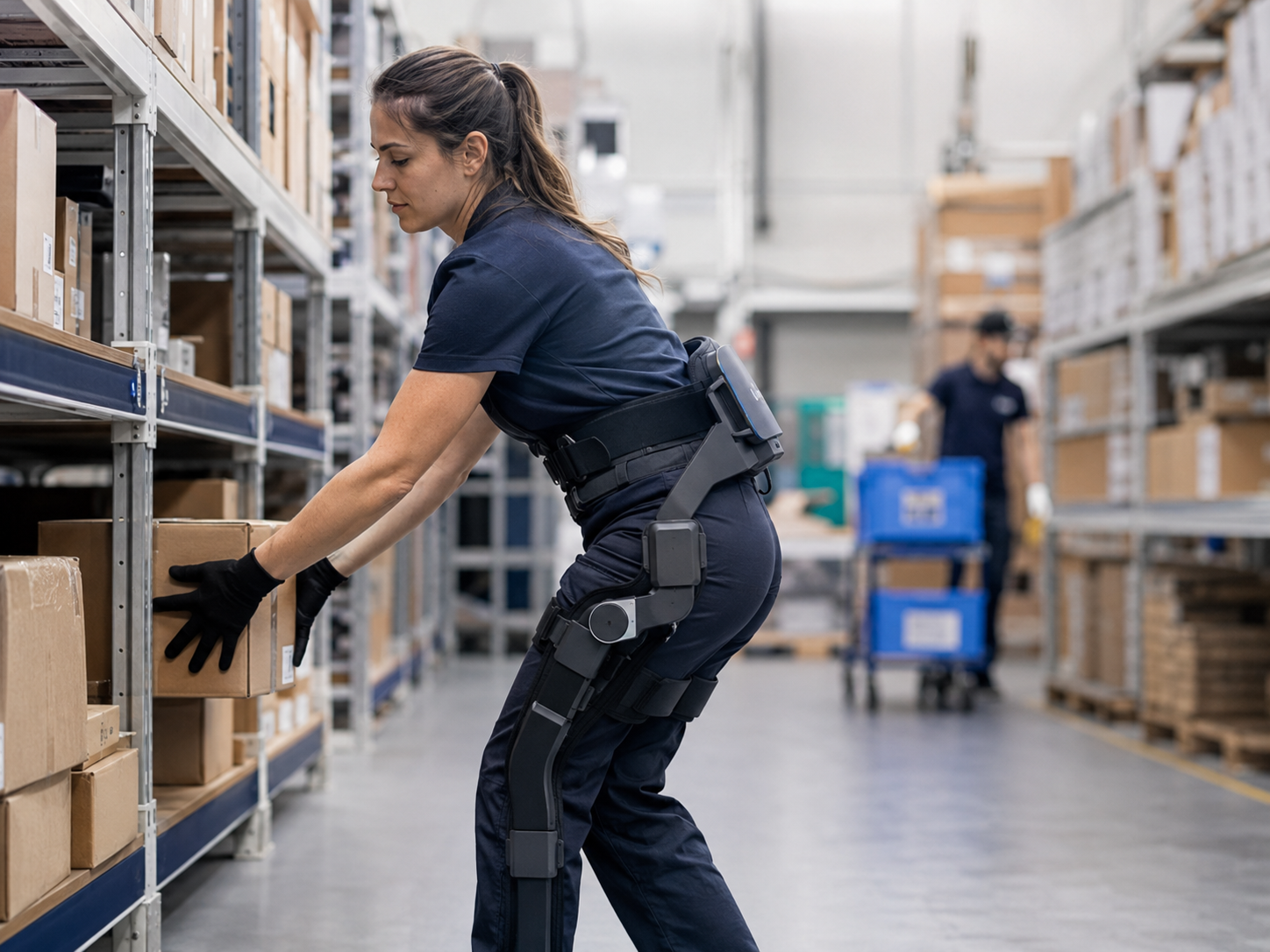
Back-support and lifting-assistance systems commonly evaluated for picking, handling, carrying and warehouse tasks.
Explore this industry →
Passive and powered systems intended for bending, drilling, tool handling and overhead work in construction and field environments.
Explore this industry →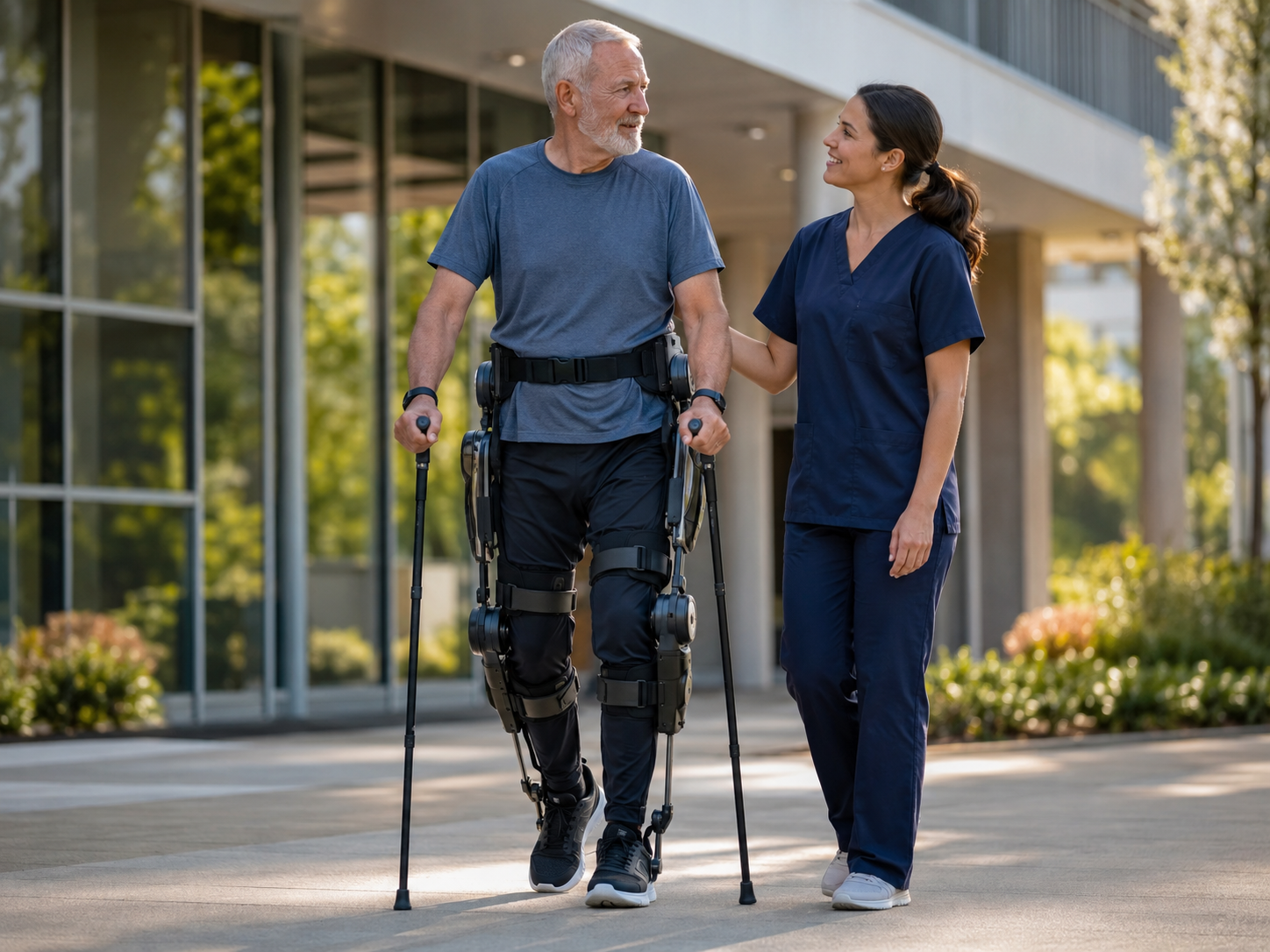
Clinical and assistive systems used or evaluated for gait training, rehabilitation and mobility support in healthcare settings.
Explore this industry →
Mobility aids and wearable support systems for outdoor activity, recreation and personal movement.
Explore this industry →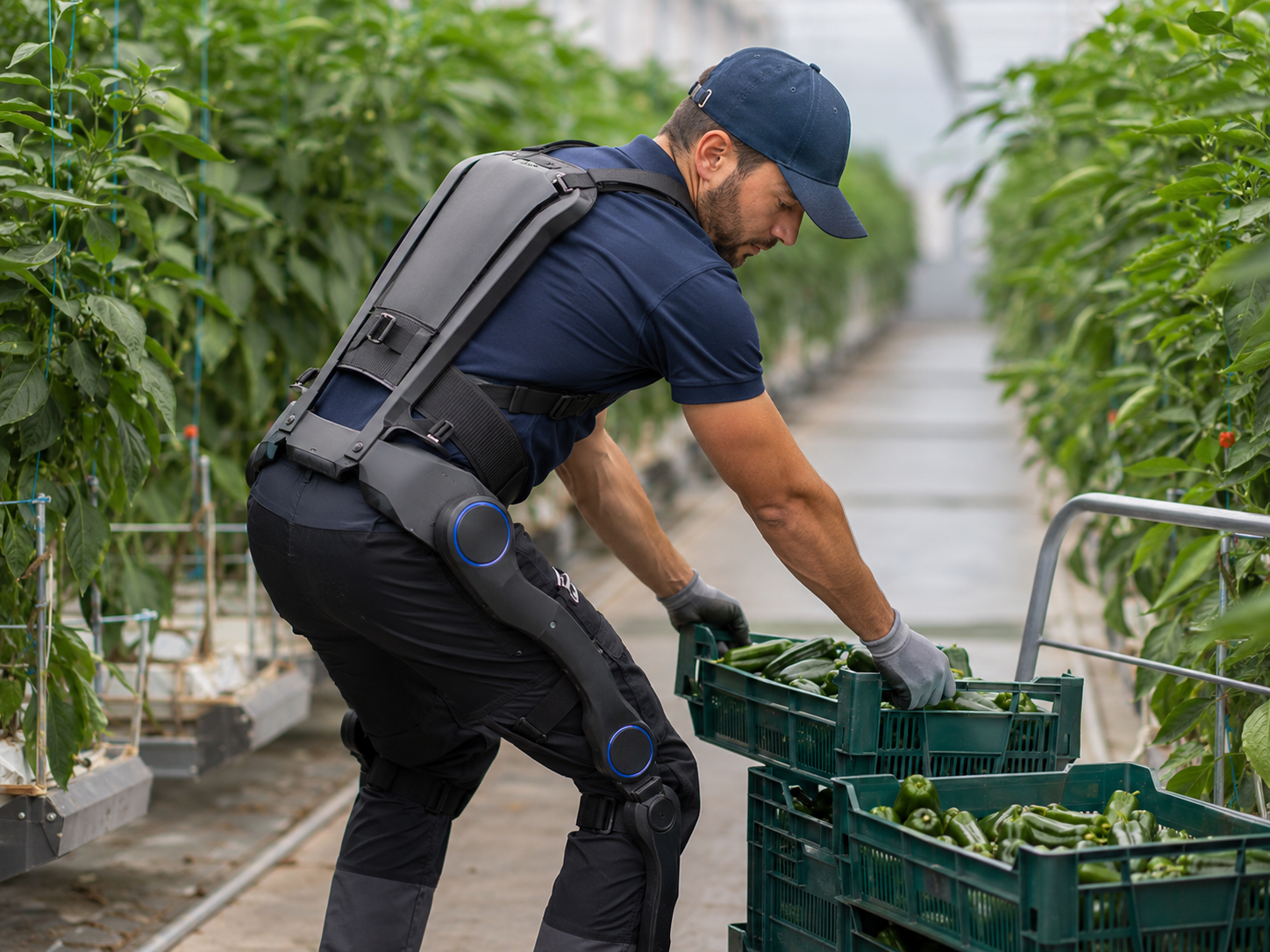
Back, hip and knee-support systems intended for bending, harvesting, sorting and repetitive field tasks.
Explore this industry →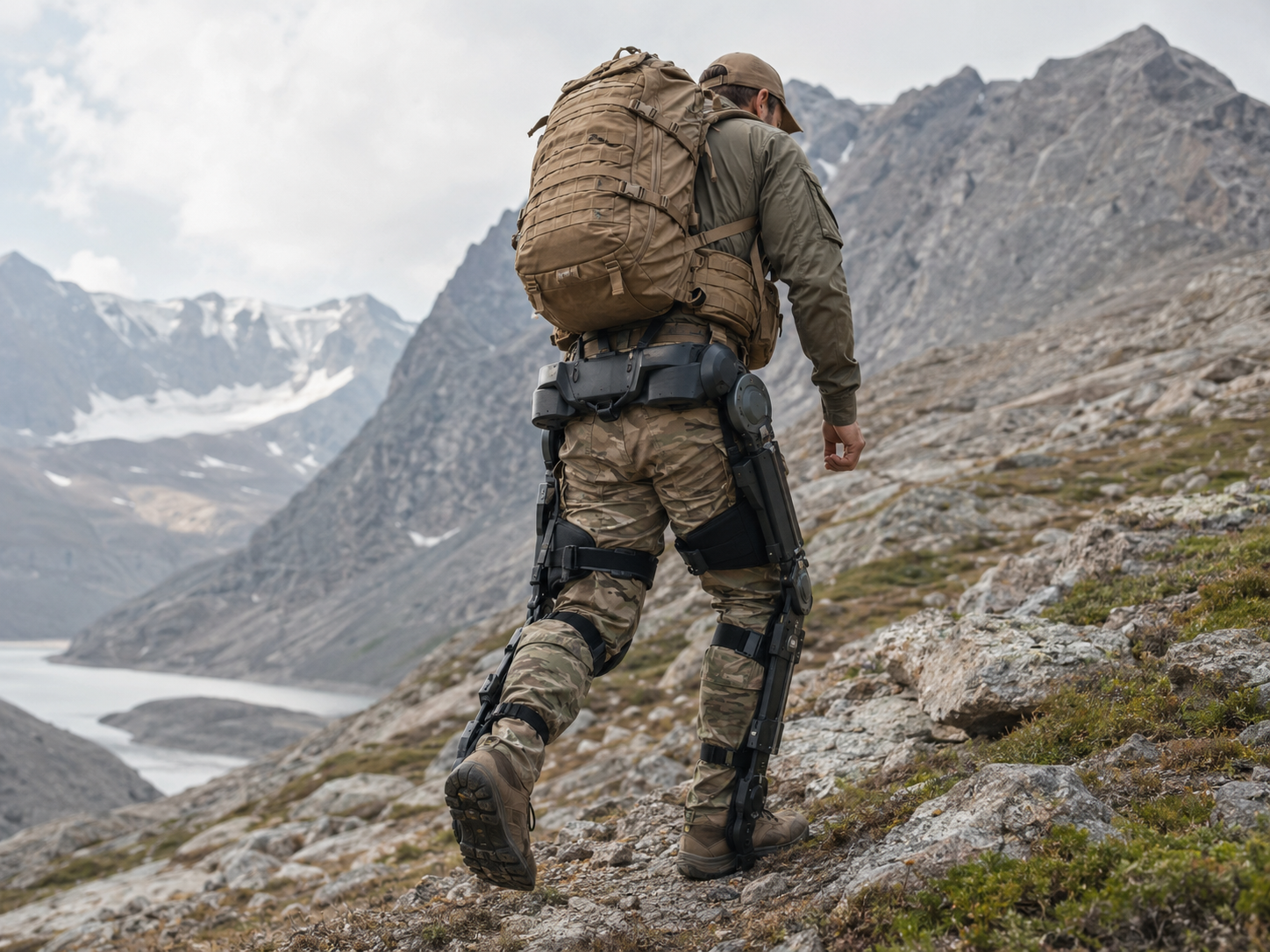
Load-carriage and lower-limb assistance concepts developed or evaluated for field mobility, carrying and prolonged movement.
Explore this industry →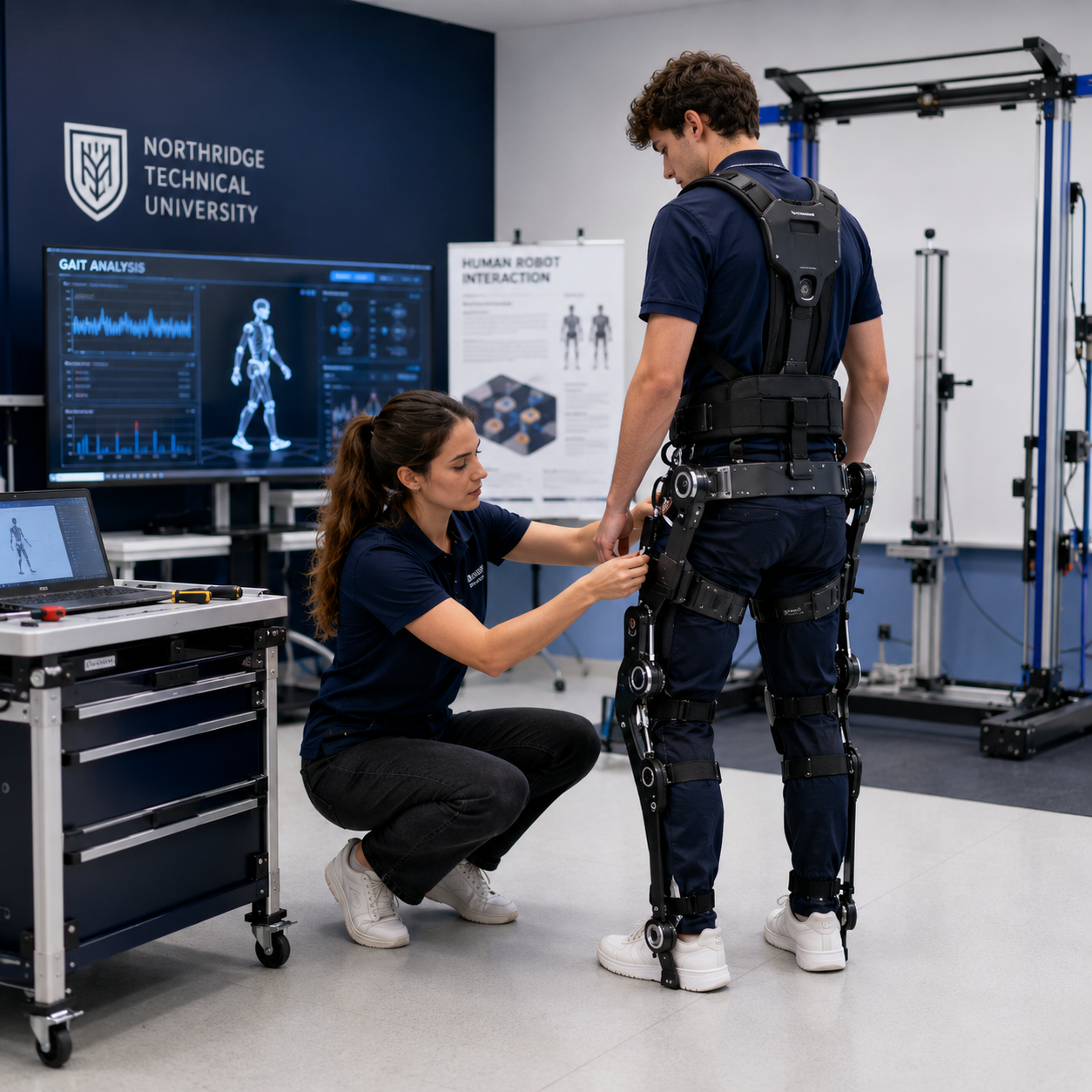
Configurable platforms used by universities and R&D teams to study control, sensing, biomechanics and human-robot interaction.
Explore this industry →Research, product developments and practical analysis from across the global exoskeleton ecosystem.
Track conferences, trade fairs, standards meetings and ecosystem moments relevant to wearable robotics, rehabilitation and industrial ergonomics.
Use the platform as a structured starting point for product discovery, supplier research and ongoing market awareness.
Search structured product, company, industry and body-area records across the global exoskeleton ecosystem.
Explore the product directory →Review up to three products side by side using consistent public information, commercial context and evidence-aware notes.
Open the comparison tool →Follow research, launches, company developments, events and practical analysis as the ecosystem evolves.
Read the latest news →Explore the database independently or tell us about your use case for help identifying relevant products and suppliers.
Represent a company? Claim or submit your listing →