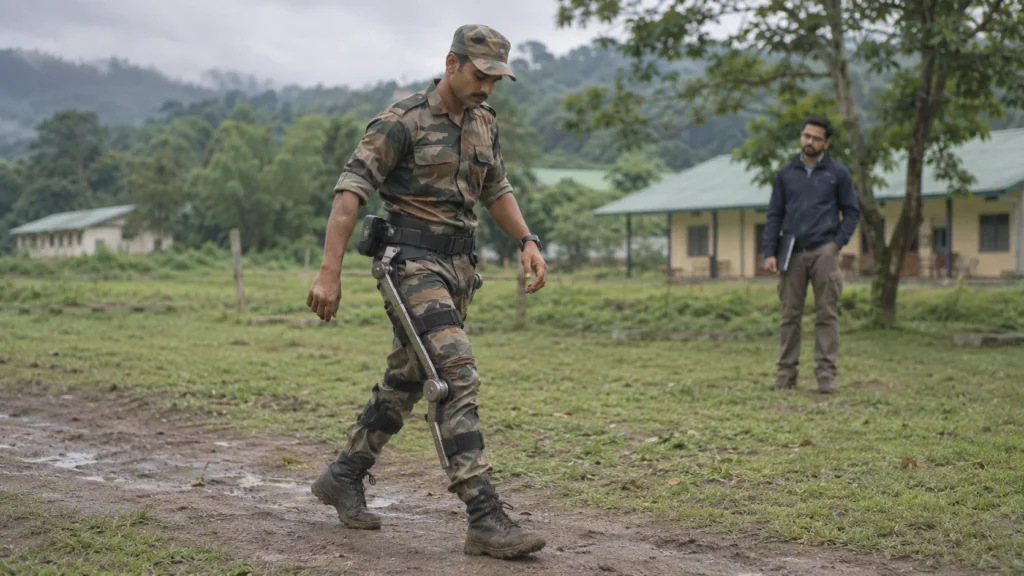

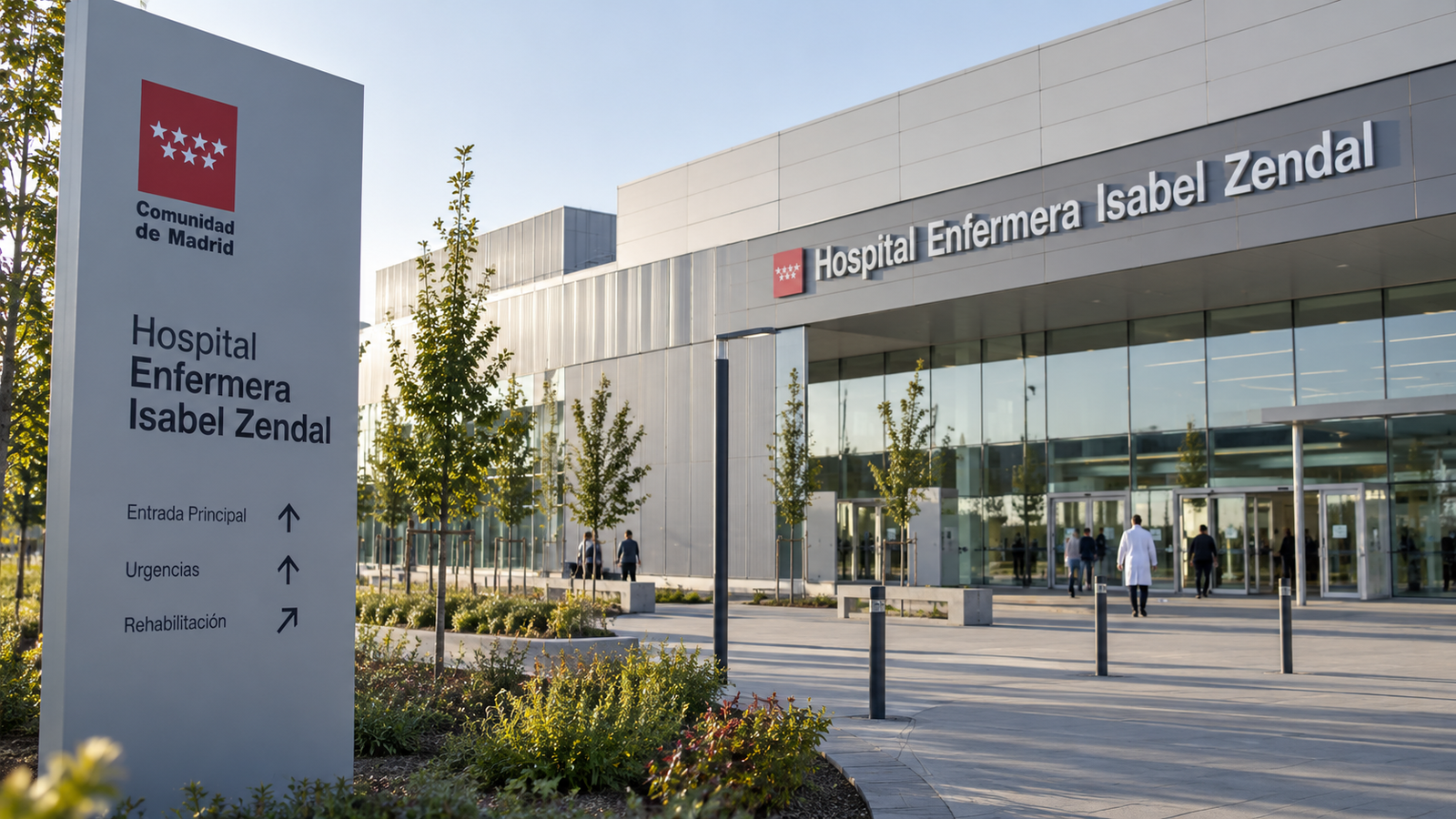
Two different exoskeletons, two procurement processes
The Madrid regional procurement portal identifies two separate supply, installation and commissioning procedures for the neurorrehabilitation day hospital at Hospital Enfermera Isabel Zendal.
The adult tender, published October 7, covers a gait exoskeleton and has a pre-tax budget of €95,000. The pediatric procedure, published October 15, has a €200,000 pre-tax budget. Both list a 30-day contract duration, which should not be confused with an announced date of clinical deployment.
| Equipment | Procurement | Budget, pre-tax | Bid deadline |
|---|---|---|---|
| Adult gait exoskeleton | P.A.S. 74/2026 | €95,000 | Oct. 26, 18:00 |
| Pediatric exoskeleton | P.A. 75/2026 | €200,000 | Oct. 30, 18:00 |
| Combined | Two separate procedures | €295,000 | Not one joint deadline |
Budgets exclude taxes. The public notices list totals including applicable taxes of €104,500 and €220,000 respectively. The combined pre-tax amount is a ceiling or budget reference for procurement, not an awarded price. Approximate US dollar conversion uses the October 16, 2026 ECB reference framework of €1 ≈ US$1.1253.
The adult file also carries a correction published October 19. Suppliers assessing the opportunity should consult the latest official adult tender documentation, not only the original notice.
Why the adult and pediatric split matters
Adult gait rehabilitation and pediatric rehabilitation are not interchangeable purchasing categories. Patient fit, body-size range, available movements, therapeutic protocols, caregiver or therapist roles and applicable regulatory documentation can differ substantially.
A pediatric device may require a much wider adjustment strategy for growth and limb proportions, as well as age-appropriate therapy and clinical workflows. These requirements help explain why separate evaluations matter, without implying that the budget difference establishes a universal higher pediatric price.
The procurement notices do not themselves confirm which exoskeleton manufacturers or exact models will qualify. Exoskeleton Index tracks relevant companies and systems across its Healthcare & Rehabilitation directory, but it would be speculative to name a contract winner before an award.
The buyer and the destination are not the same entity
Both records name Hospital Universitario La Paz within the Madrid public health service as the contracting organization. The specified destination for the equipment is the neurorrehabilitation day hospital at Hospital Enfermera Isabel Zendal.
That is an important procurement distinction. The buyer managing the tender and the clinical facility where a system is to be installed can be different parts of the same public health structure.
Hospital Enfermera Isabel Zendal has also been associated with earlier robot-assisted therapy coverage. These new tenders should not be described as the hospital’s first use of any rehabilitation robot; the official records specifically establish two new advertised equipment purchases.
What public procurement reveals, and what it does not
Public tenders provide unusually concrete demand signals: named buyers, stated equipment needs, budgets, procurement procedures and deadlines. For suppliers, that is more useful than an untargeted forecast of medical robotics spending.
But they have to be interpreted correctly. An advertised budget is not a final transaction value. The winning bid could differ, procedures can be amended, extended or cancelled, and equipment may require installation, training and service before routine clinical use.
Two specific devices are being sought for a defined neurorrehabilitation service.
Separate procedures reflect materially different clinical and fit requirements.
Budget ceilings are useful market evidence but cannot be presented as completed revenue.
Exoskeleton Index analysis
The interesting signal is not simply €295,000 of potential spend. It is the specificity of the requirement.
Madrid is asking for adult and pediatric rehabilitation systems in separate tenders, with distinct budgets and submission deadlines. That is what a maturing institutional market often looks like: buyers moving beyond interest in ‘an exoskeleton’ toward equipment matched to a clinical service.
This is not an isolated Spanish case. EI previously examined adult and pediatric tenders at Hospital Universitario Cruces in the Basque Country. Those are separate procurements and should not be added to Madrid’s budget as if they formed one purchasing programme.
Our 2026 exoskeleton pricing analysis explains why tender budgets, awarded supplier contracts, manufacturer list prices and treatment reimbursements must remain separate categories of evidence.
The next milestones are the official awards and the commissioning of clinically usable systems. Until then, the tenders document purchasing intent rather than delivered capacity or patient outcomes.
What suppliers and readers should watch next
For the adult tender, the October 19 correction means the current administrative documents and any subsequent updates should be checked before bidding. The official portal lists October 26 at 18:00 as the deadline.
The pediatric procedure currently lists October 30 at 18:00. Award notices will clarify the suppliers, final contract values and potentially the models, scope of installation or service commitments.
Only then can the figures become awarded-contract evidence rather than advertised budgets.
Procurement status at publication
As of October 21, 2026, both procurement notices were marked open on the Madrid regional portal. No winning supplier or model had been confirmed in the records reviewed. Dates and conditions can change: use the linked official files for live bidding information.
Sources and reporting notes
Comunidad de Madrid / Hospital Universitario La Paz. P.A.S. 74/2026, adult gait exoskeleton. Published October 7, updated October 19; €95,000 excluding taxes, October 26 deadline.
Comunidad de Madrid / Hospital Universitario La Paz. P.A. 75/2026, pediatric exoskeleton. Published October 15; €200,000 excluding taxes, October 30 deadline.
Reporting note. Budgets and deadlines were checked on October 21, 2026. All monetary amounts are tender values rather than disclosed supplier prices or contract awards.