

Nature Puts Consumer Exoskeletons in the Mainstream Spotlight
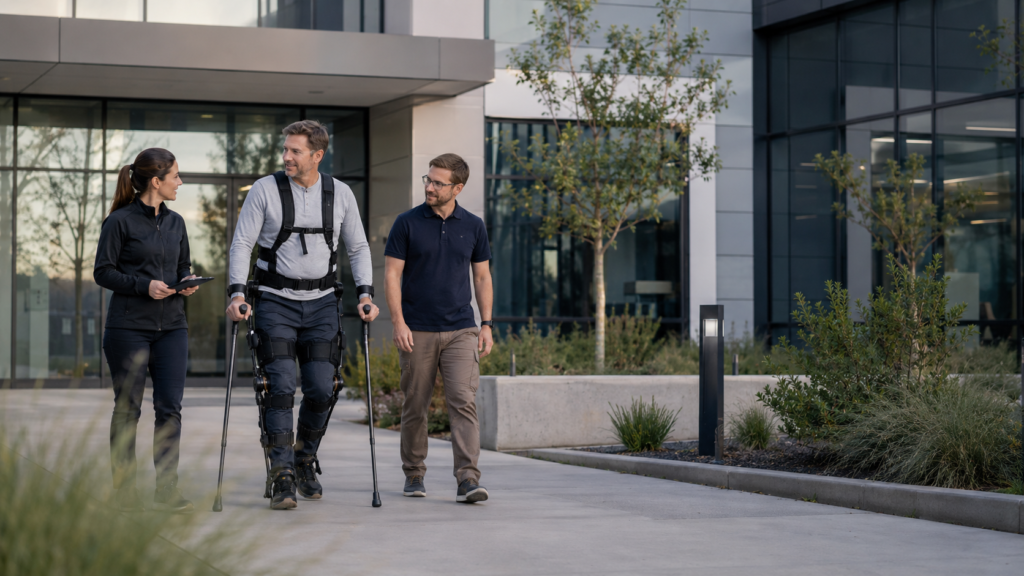
A new Nature feature and video put consumer exoskeletons firmly in the mainstream science spotlight, as wearable robotics moves from laboratories toward hiking trails and everyday mobility.
Hiking With an Exoskeleton in 2026: What Actually Works on the Trail?

Compare six of the most credible exoskeletons for hiking and outdoor mobility in 2026, including current prices, weight, battery range, terrain suitability, evidence and key trade-offs.
Best Consumer Exoskeletons in 2026: Which One Is Right for You?
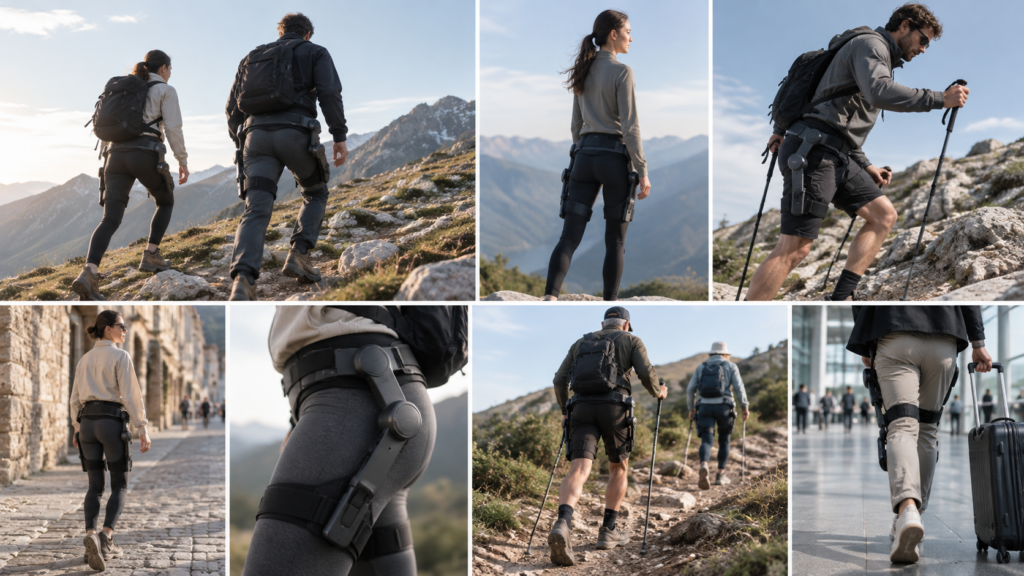
Compare the best consumer exoskeletons in 2026, including Hypershell, DNSYS and Ascentiz. See prices, use cases, key differences, independent evidence and what to consider before buying.
Ascentiz H Series Moves Into Commercial Sale

Ascentiz has moved its H Pro and H Ultra from early demonstrations into direct commercial sale. The bigger signal is not another exoskeleton announcement, but a consumer mobility product entering ordinary e-commerce with published pricing, fit ranges, returns and support.
Dephy Sidekick footwear expansion
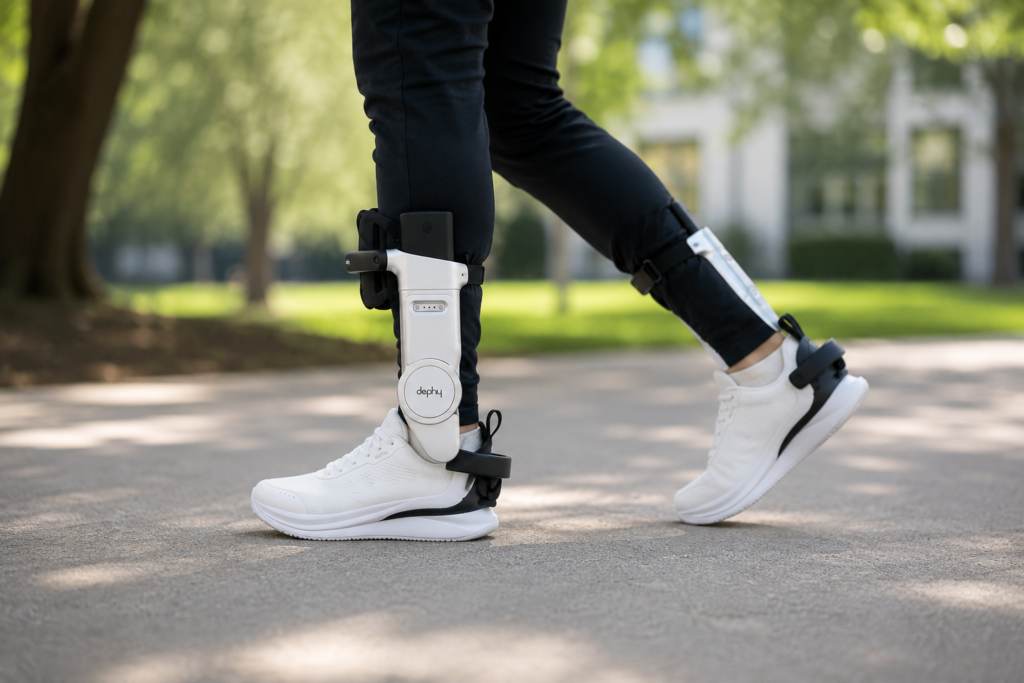
Dephy’s latest Sidekick update is a footwear change rather than a new actuator, but that is precisely why it matters. In consumer exoskeletons, fit, comfort and how power reaches the ground can determine whether useful assistance survives real-world wear.
Motor-Free Soft Hip Exosuit Reduced Walking Energy Use by 13.9% in Early Study
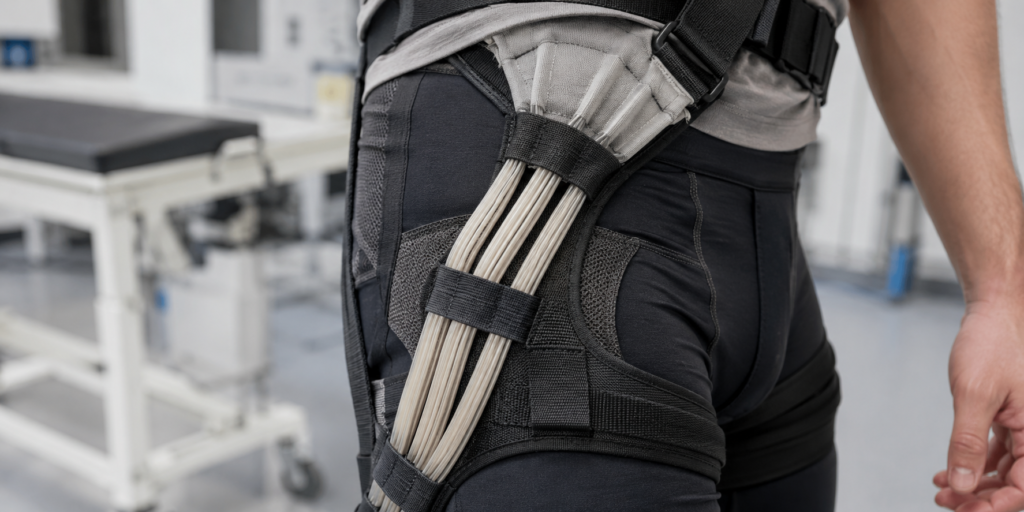
A Science Advances study reports that a soft hip exosuit driven by dielectric-elastomer artificial muscles reduced walking energy use by 13.9% in six healthy participants. The result is promising, but the system still depends on high-voltage electrical actuation and remains an early laboratory prototype.